

How do we know a memorial reef is really bringing the ocean back to life?
At Resting Reef, our memorials are part of a scientific monitoring programme led by our Head of Restoration, Dr. Zach Boakes.
Our first monitoring report follows the 18 memorial reefs we placed in two coastal villages in North East Bali, Tianyar and Tulamben, through their first year underwater (2024–2025). Each site was compared with a nearby patch of seabed that local people remember as a healthy coral reef, before anchoring and destructive fishing destroyed it decades ago. That comparison shows us what the area would look like without our reefs.
What we monitor
The programme looks at four areas. Here's a short look at each one. The full findings, methods and data are in the report.
1. Mobile species: who moves in
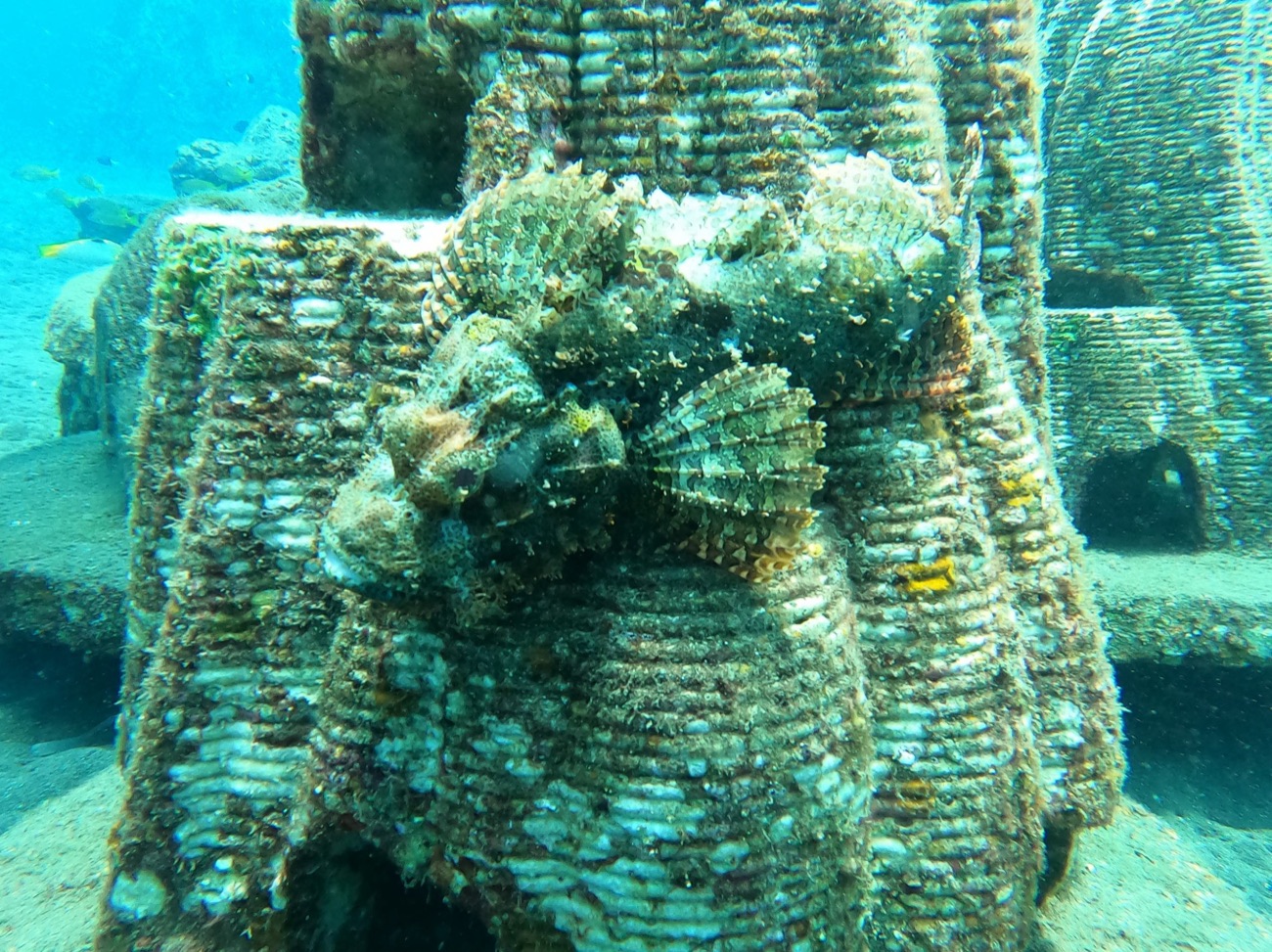
Mobile species are the fish and other marine life that swim to the reefs to feed, shelter and breed. We record them with underwater cameras left on the seabed, so no diver is there to disturb them, and count which species visit and how many. Within a year, the memorial reefs in Tianyar had attracted 102 fish species, compared with just 6 on the damaged seabed nearby.
2. Benthic species: what grows on the reef
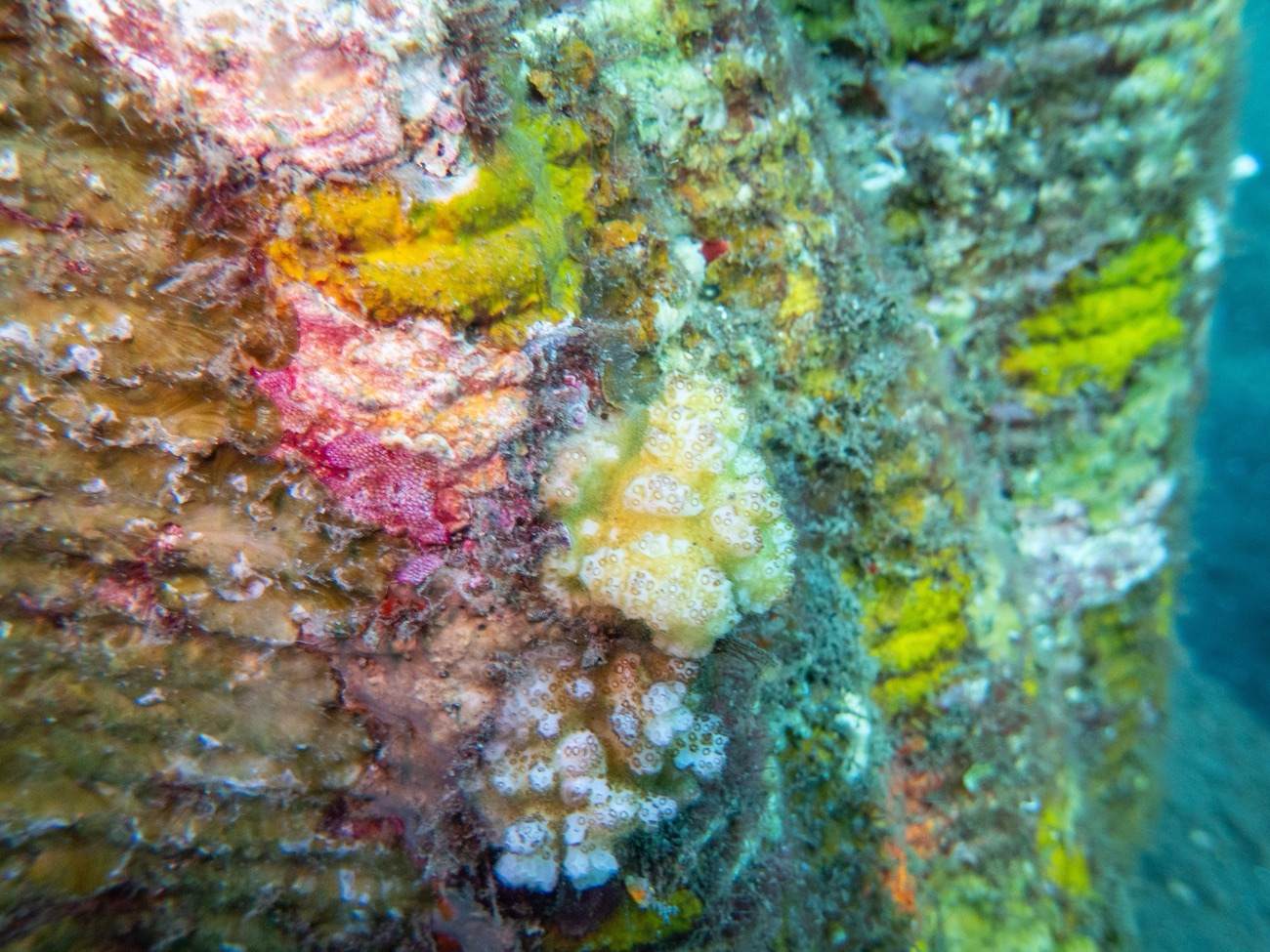
Benthic species are the organisms that settle and grow on the reef itself, such as corals, sponges and algae. At every visit, our team photographs small squares of the reef surface to track how this living layer develops over time. Hard coral, which started at zero, had begun growing naturally on the reefs within the first 12 months.
3. The use of ashes
Families often ask us whether adding ashes changes how a reef holds up underwater, or how marine life settles on it. To find out, our pilot in Tulamben was dedicated to memorial reefs with cremated ashes.

4. Socioeconomic impact: what it means for local communities
Our memorial reefs are built and placed by local craftspeople and divers. Each time we place memorial reefs, we also make a donation to the local community, supporting community projects as well as cultural and spiritual activities. The report looks at the early benefits we've seen so far, from local jobs to new visitors coming to see the reefs.

What's inside the report
- A note from our founders, Louise and Aura
- Our two pilot sites, the comparison sites and how we carried out the surveys
- Results for fish and benthic communities, with charts and statistical analysis
- How the memorial reefs made with ashes performed
- The socioeconomic benefits we've seen so far
- What this first study can and can't tell us yet, and what we're monitoring next
This is only the beginning
Twelve months captures the very first stage of a reef's life. We'll keep monitoring our sites, refining our designs and sharing what we learn, with new monitoring reports as our reefs grow, so you can follow their progress over the years. If you're considering a memorial reef for a loved one, or planning ahead for yourself, we hope this report helps you see the difference a memorial can make.


